Virtual Novel Writing Studio – Scrivener

As you know one of my implicit and poetic New Year’s resolutions was to get serious about writing… practice the art, improve my abilities and create. It’s a multi-front undertaking about blogging, school, journalling and because I am a ridiculously enthusiastic individual, it is also about writing a great Canadian novel.

The subject of the novel is super secret but it’s starting out as a piece of creative non-fiction, which means research, organization, time-lining, outlining and other structural undertakings. I like this as it plays to my professional background – a project manager. However it quickly starts to get messy in a regular word processor. You quickly arrive in a situation where you have multiple word documents such as an outline and a draft that need to be kept up to date separately, not to mention the meshed network of file folders for research, notes, drafts and other related files. So this got me thinking, there must be an app for this… and sure enough courtesy of Apple’s OS X App store I found Scrivener, and it is perfectly tailored for the job. The price tag was a little disconcerting at first at $44.99 so I headed over to the developers website to see if they had a demo and they did…

After installing the demo and reviewing some instructional material including a very helpful video, I started importing over all of my miscellaneous files into the Scrivener app. That done I felt at home in my very well organized virtual writing studio, so I purchased a version through the app store, and I’m happy to report that the upgrade from the demo to the app through Apple was seamless. My work was not disrupted, my files were not corrupted. Since then I’ve even penned the first page of my opus.

Watch out world! Mr Campbell and his partner Dr. Scrivener are on the case.

WordCamp Victoria and An Architectural Muse

I spent today at WordCamp Victoria. It was a good conference and I was pleasantly surprised by the broad diversity of attendees at the conference. The sessions were by and large very good. Of the sessions I attended, and I skipped both keynotes, my favourites were by the folks behind these blogs:

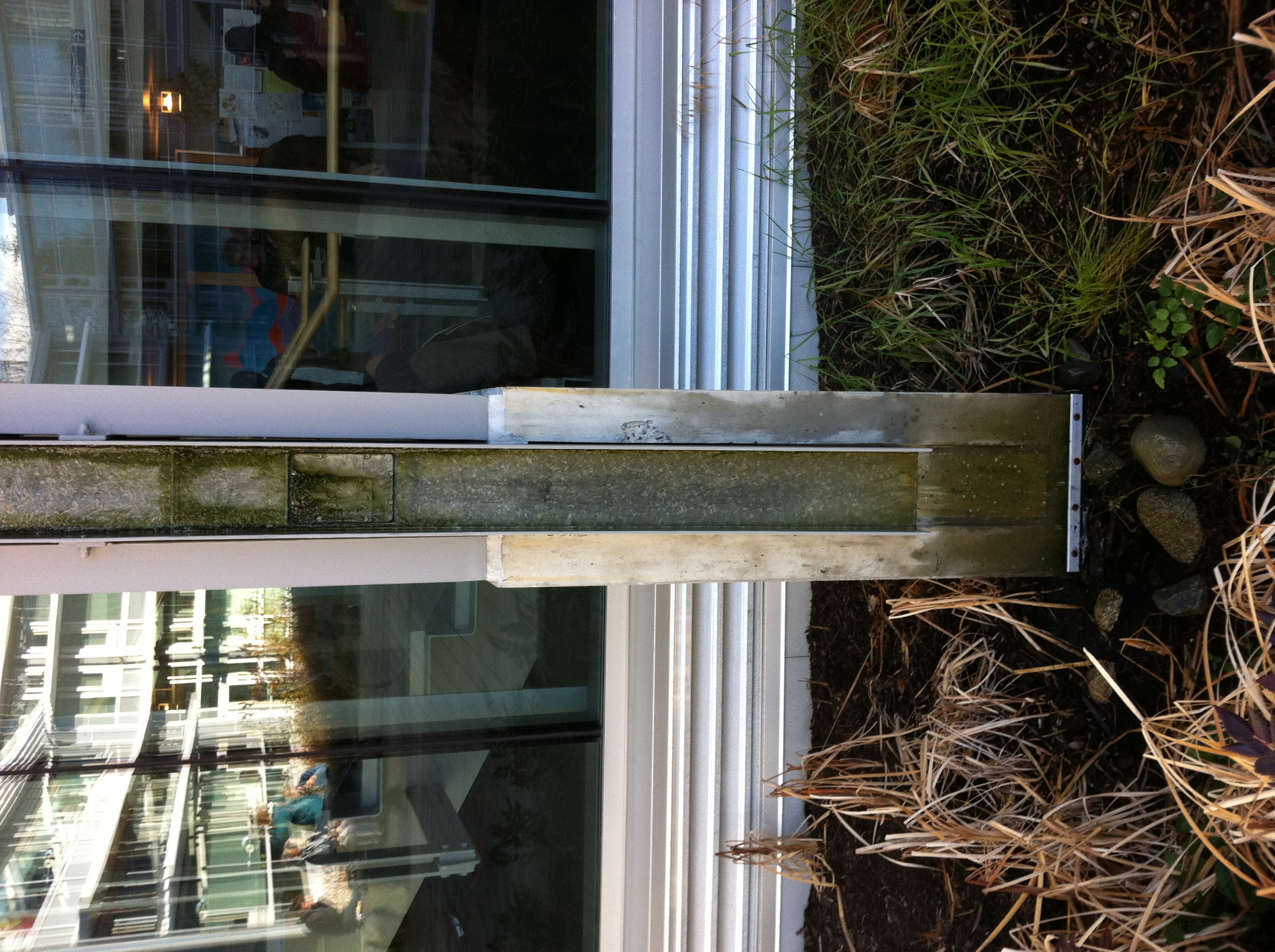
I also found something else that caught my interest. Check out these photos depicting another gorgeous day in Victoria BC, and an edifice of a beautiful world as well as human ingenuity. Yes I realize this is a drain for dealing with rain run off but it’s also architectural poetry. Happy Saturday.

Book Review: Out of Our Minds (2nd Edition)

For me Out of Our Minds (2nd Edition) was not as enrapturing as The Element; however, its pages still contained many gems. Perhaps my growing embrace of Sir Ken Robinson’s material was the reason this book seemed more complementary and less ground breaking than The Element. Regardless, I found the last two chapters, Being A Creative Leader and Learning to be Creative, particularly fresh and insightful. Overall I would recommend this book to anyone who is curious or skeptical of the importance of creativity and the need to transform our 19th Century outmoded education systems.

As with The Element  Sir Robinson masterfully weaves together the thoughts, philosophies and quotes of others to illustrate the pedigree of his own unique assertions. One such quote near the end of the book, which I’m sure many have heard but I had not, was from Socrates:

“Education is the kindling of a flame, not the filling of a vessel.”

This quote raises a question of how we went from idolizing the demigods of ancient academia to neglecting how they taught for the sake of focusing solely on what they taught. This neglect is demonstrated in the shift from an individualistic approach to that of a production line. Alas! Marshall McLuhan was born too late! He could have warned our ancestors, the creators of our industrialized public education system, that the medium is the message.